

Virtually every acquisition is backed by a convincing business case. Synergies, scale and commercial opportunities form the basis for the investment. Yet a year after closing it regularly turns out that the intended value creation is falling short. It is a pattern we see regularly.
Not because the business case was wrong, but because synergy is not a financial given. Synergy is the result of people working together, leaders who steer the same course and organisations that actually integrate.
And that is exactly where things often go wrong.
Synergy does not happen by itself
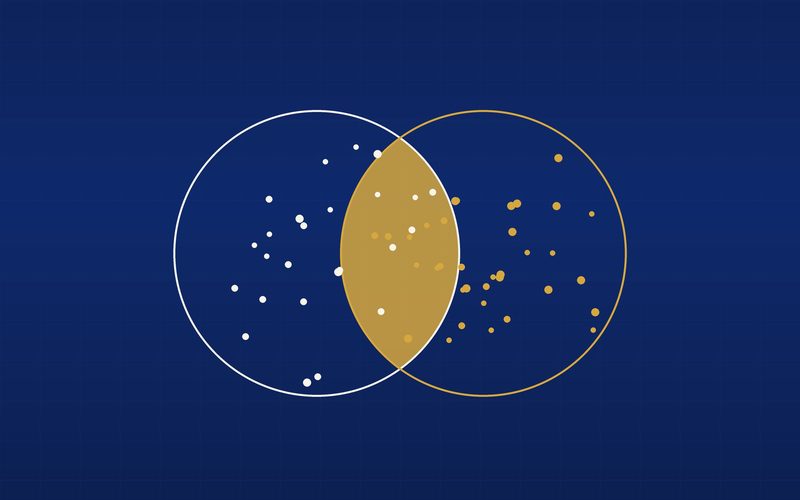
In virtually every acquisition, synergies are factored in. Cost savings, commercial cross-fertilisation, knowledge sharing or economies of scale are, after all, an important part of the investment case.
Yet these benefits depend on something that is hardly visible on a balance sheet: the quality of collaboration between people.
When leadership is not aligned, decision-making slows down or teams continue to operate from different realities, the expected synergies fail to materialise. Synergy does not happen by itself.
Integration is not a project, but a change in behaviour
In practice, operational integration often gets a lot of attention. Systems are linked, processes harmonised and reports merged.
Human integration usually gets considerably less priority.
That is precisely where the greatest risks arise. Different leadership styles, diverging decision-making cultures, informal power structures and a lack of psychological safety make collaboration difficult. Employees keep falling back on old patterns, while the new organisation calls for shared ownership.
The integration is formally complete, but socially it has not yet begun.
The hidden costs of a successful deal
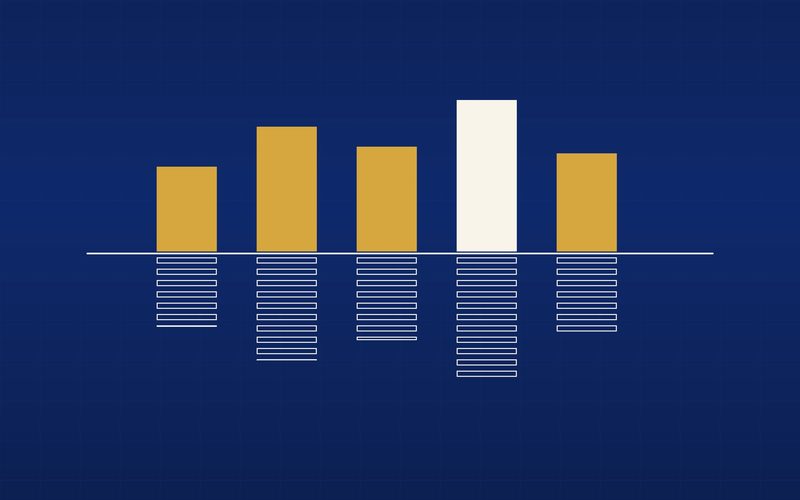
When culture and leadership do not come together sufficiently, a form of organisational friction arises that is not immediately reflected in the first financial reports.
- Decision-making slows down
- Talent leaves
- Key figures become overloaded
- Change initiatives compete with day-to-day operations
- The power to execute declines
Even if the business case still stands, the organisation lacks the capacity to deliver on it. That is precisely why we see that most value is not lost during the negotiations, but in the months after closing.
From transaction success to organisational success
A successful acquisition does not end at signing or closing. That is when the work begins.
Organisations that succeed in creating lasting value therefore invest not only in financial and operational integration, but also in leadership, culture and collaboration. They make the underlying dynamics visible before they hamper the power to execute.
Because in the end, the value of an acquisition is not determined by the quality of the deal, but by the organisation's ability to function as one whole.
From integration to transformation
At HUMA Advisory, we support organisations in organisational and cultural transformations after mergers and acquisitions. We make visible where collaboration stalls, map leadership dynamics and cultural differences, and guide management teams in building one shared organisation.
Because lasting value creation does not arise when the signatures are in place, but when people actually start working together towards the same ambition.
How much value is your company leaving on the table?
Take the free HUMA Business Scan and see your value gap immediately. Or start with the Growth Phase Check.